
Toward Pheasant Brook — A Poem To Settle

I wrote this poem four years ago, during the early shutdown of Covid. It was context then for an environment of nerves and feeling startled. I read it again today, by chance, looking for something else on my website. And thought, ah, yes, some good remembering that applies today too.

Enjoy.

Toward Pheasant Brook

I walked this morning.
Down Lakeview toward Pheasant Brook Park.

The sky was mostly blue.
The sun shined.
Dogs barked.

I did in fact see a Ring Necked Pheasant as I walk to the park.
It nervously scrambled from bushes,
startled by my passing.

That bird was impressive,
full color against the brown of yet un-budded spring.

I needed that walk today. 
To feel an unquarantined world.
To see majestic mountain.
To say and receive sun-warmed “Good morning” 
with passers-by, also out walking.

We are all a little nervous these days,
wondering about safety for ourselves, our loved ones, 
and the postponed world around us.

We are all a little startled
and jarred by hyperbole that has become reality.

This time will pass.
There is budding yet to happen.
Open fields will grow vegetables.
Dogs will lick our hands, tails wagging.

There is much impressive beauty 
among us,
and ahead of us. 
I Write Poems To Understand

To tease out some knowing, sometimes the very subtle. To find simple words, sometimes about complex things and beyond what is often much noise. To embrace clarity that lives only at the core.

Some of that this morning. With a little nod to Meg, who guides in warrior ways.

Whether it be a next phase, 
or more of the current phase,
it is important to enter,
or stay,
in kindness,
to center in kindness.

Kindness is a warrior practice,
a warrior way.

Whether the narrative be what must surely evolve,
or more of what surely mustn’t change,
it is important to flow,
or persist,
in well-being,
to affirm well-being

Well-being is a warrior practice,
a warrior way.

Pace

It was Christina Baldwin that taught me something very helpful about pace. In her book, Seven Whispers, she writes about the important difference between “pace” and “speed”. “Speed,” she says, “is some guy running through the airport shouting into a cell phone.” I imagine that guy dodging people to get to his gate before departure. On the other hand, “pace,” she says, “is going around the block with a three-year-old and noticing everything the child is noticing.” I imagine very slow rambling along.

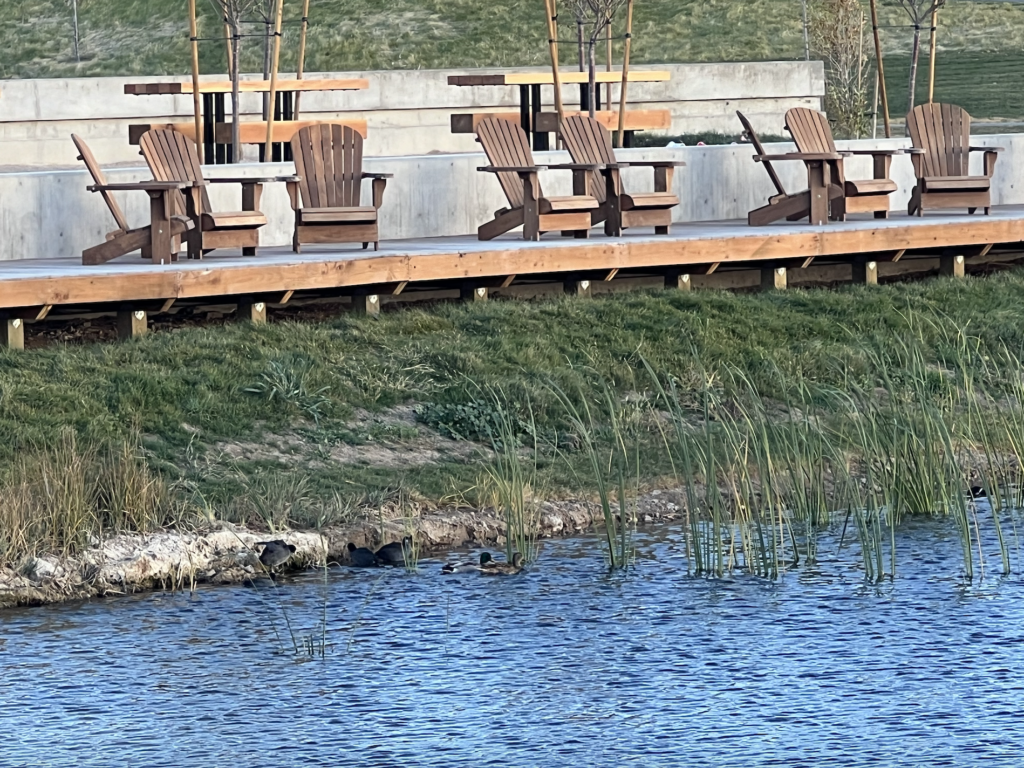
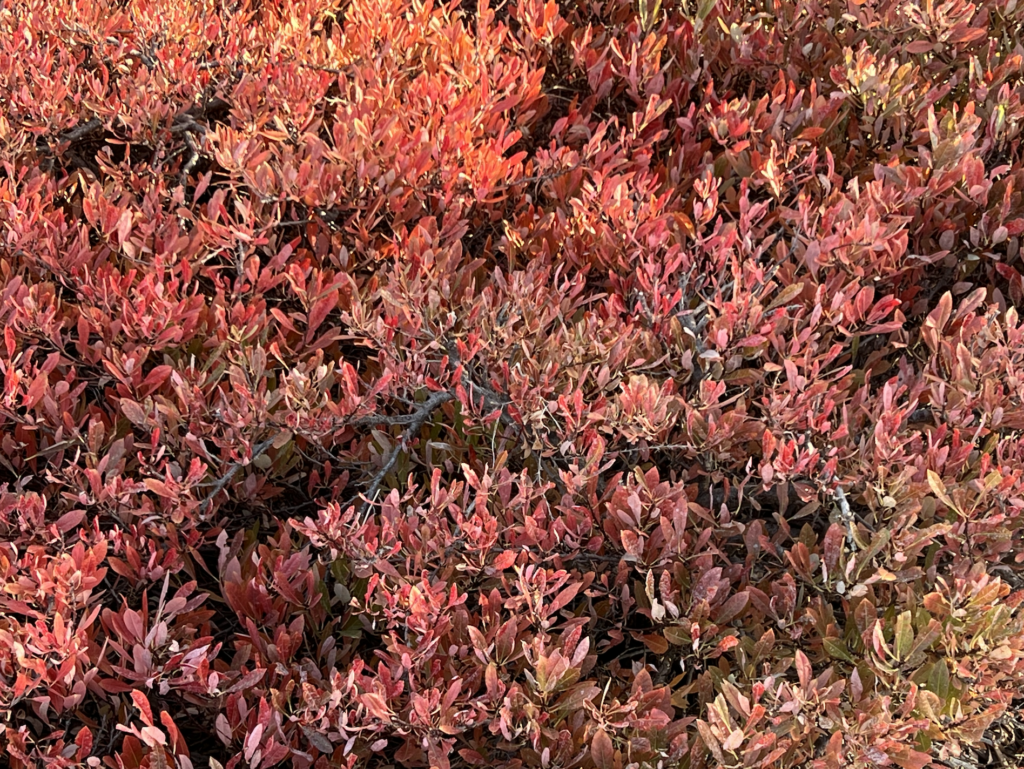
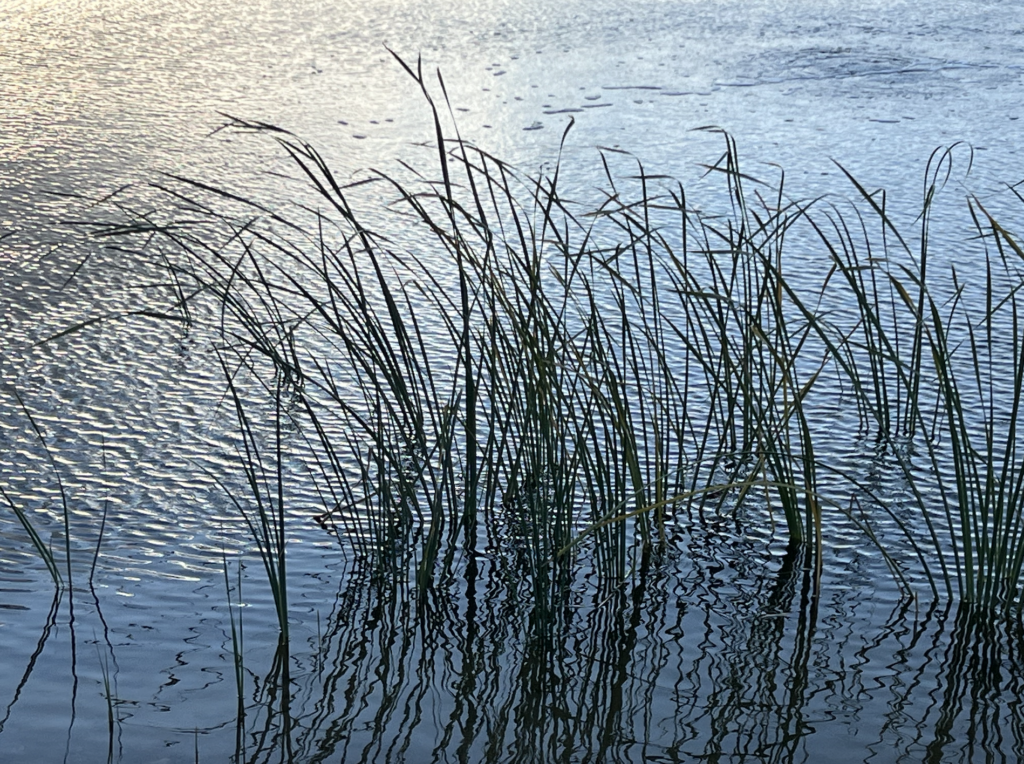
These pictures above are from a moment of pace, not speed, in our neighborhood. Pace of appreciated chairs next to a pond, and sitting in them 15 minutes just because. Pace of tall grasses blowing in October winds. Pace of relishing sunlight reflecting just so on bushes given to Autumn reds, oranges, yellows.

We humans, no matter how gifted we are, aren’t meant to always do speed. I believe, we are also meant to know and do pace. And to value and love pace. And meant to discern contexts when speed is our necessity, and when pace is our imperative.

Grateful for teachings that have pace within me.

News to Use — Current Newsletter

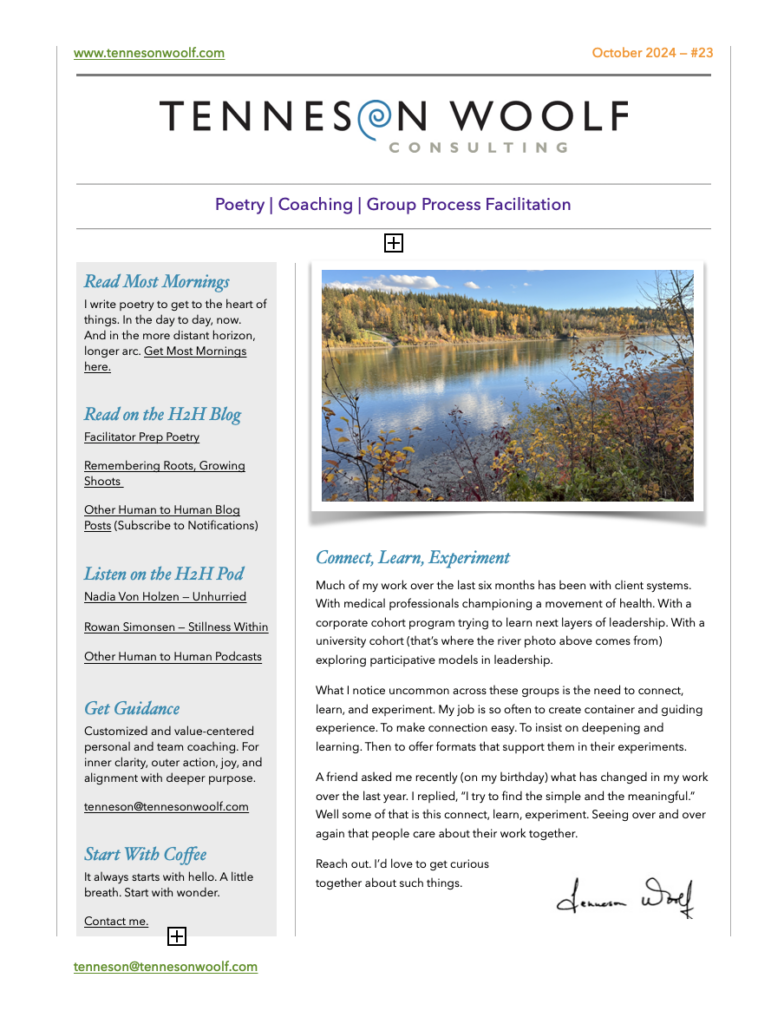
A few links, reminders, and invitations. This is my quarterly newsletter, now in its 6th year. Enjoy peeking.

The context is this…

Connect, Learn, Experiment

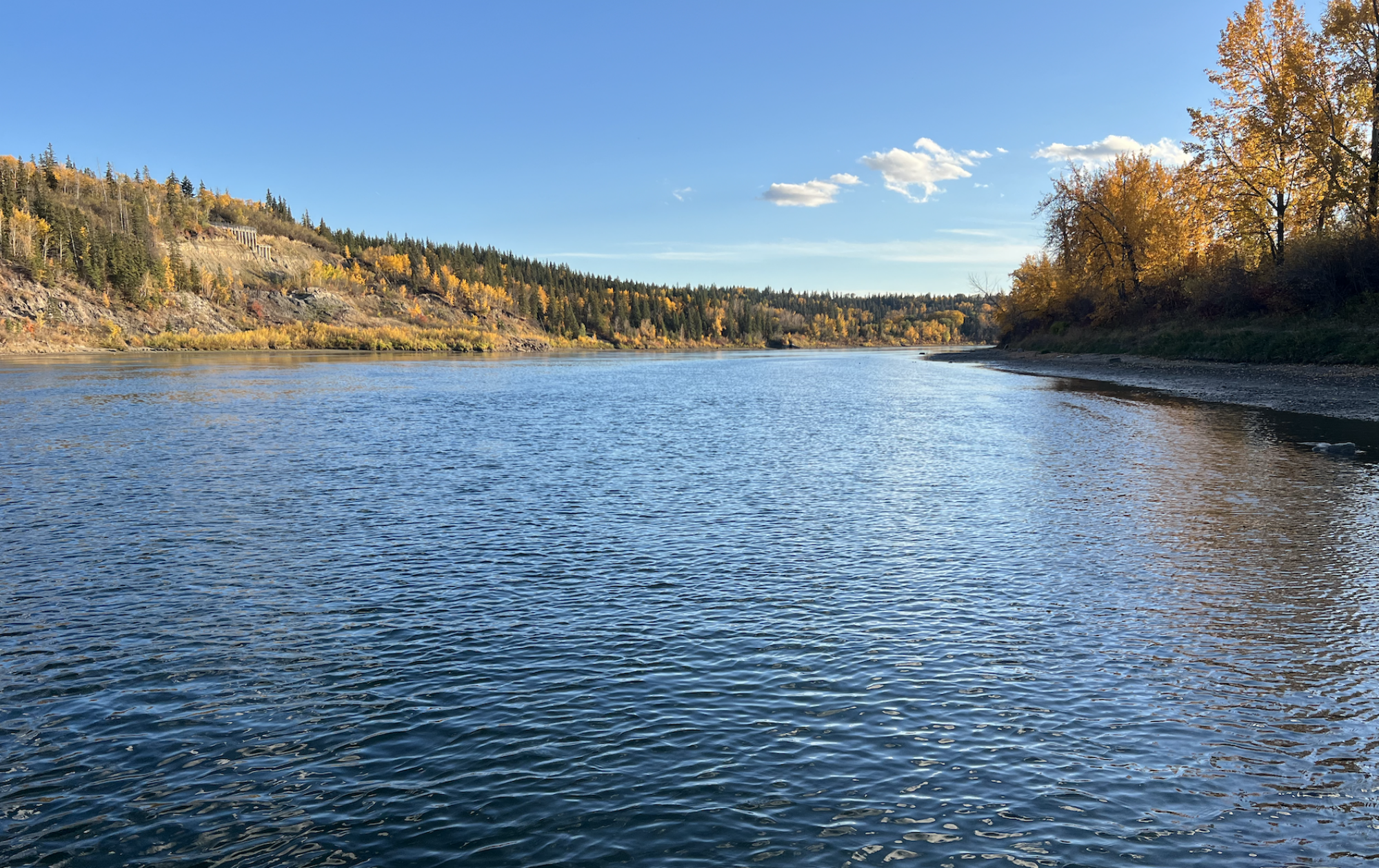
Much of my work over the last six months has been with client systems. With medical professionals championing a movement of health. With a corporate cohort program trying to learn next layers of leadership. With a university cohort (that’s where the river photo above comes from) exploring participative models in leadership.

What I notice uncommon across these groups is the need to connect, learn, and experiment. My job is so often to create container and guiding experience. To make connection easy. To insist on deepening and learning. Then to offer formats that support them in their experiments.

A friend asked me recently (on my birthday) what has changed in my work over the last year. I replied, “I try to find the simple and the meaningful.” Well some of that is this connect, learn, experiment. Seeing over and over again that people care about their work together. 

Reach out. I’d love to get curious together about such things.

Gifts of Circle - Question Cardsasd
Gifts of Circle is 30 short essays divided into 4 sections: 1) Circle's Bigger Purpose, 2) Circle's Practice, 3) Circle's First Requirements, and 4) Circle's Possibility for Men. From the Introduction: "Circle is what I turn to in the most comprehensive stories I know -- the stories of human beings trying to be kind and aware together, trying to make a difference in varied causes for which we need to go well together. Circle is also what I turn to in the most immediate needs that live right in front of me and in front of most of us -- sharing dreams and difficulties, exploring conflicts and coherences. Circle is what I turn to. Circle is what turns us to each other."

Question Cards is an accompanying tool to Gifts of Circle. Each card (34) offers a quote from the corresponding chapter in the book, followed by sample questions to grow your Circle hosting skills and to create connection, courage, and compassionate action among groups you host in Circle.

This will close in 60 seconds

asd
In My Nature
is a collection of 10 poems. From A Note of Beginning: "This collection of poems arises from the many conversations I've been having about nature. Nature as guide. Nature as wild. Nature as organized. I remain a human being that so appreciates a curious nature in people. That so appreciates questions that pick fruit from inner being, that gather insights and intuitions to a basket, and then brings the to table to be enjoyed and shared over the next week."

This set of Note Cards (8 cards + envelopes)  quotes a few favorite passages from poems in In My Nature. I offer them as inspiration. And leave room for you to write personal notes.

This will close in 60 seconds

asd
Most Mornings is a collection of 37 poems. I loved writing them. From the introduction: "This collection of poems comes from some of my sense-making that so often happens in the morning, nurtured by overnight sleep. The poems sample practices. They sample learnings. They sample insights and discoveries. They sample dilemmas and concerns."

This set of Note Cards (8 cards + envelopes)  quotes a few favorite passages from poems in Most Mornings. I offer them as inspiration. And leave room for you to write personal notes.

This will close in 60 seconds