



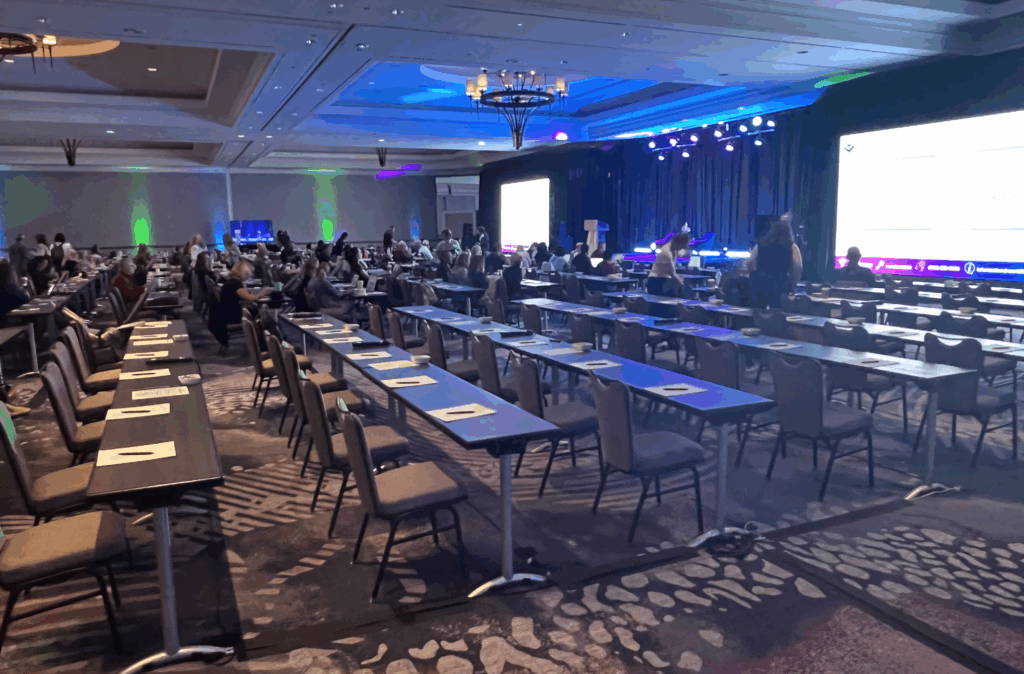
I was in San Diego, California that last several days. Mostly accompanying Dana, who, along with her colleagues was hosting a large group (650 ish) on the theme, “Next Chapters in Optimal Health.” It’s 2.5 days of presentations, stories, research. It’s also 2.5 days of people reaching out in connection and community.
Well, me, I like all of that. Cheering for Dana. Themes of “Next Chapters,” and community of practitioners in celebration. I also like to learn. I have a mind and learning body that can’t help but connect ideas. And further, to learn from another field of practice (the medical prognosis isn’t my thing, but the principles are), well that’s a gift.
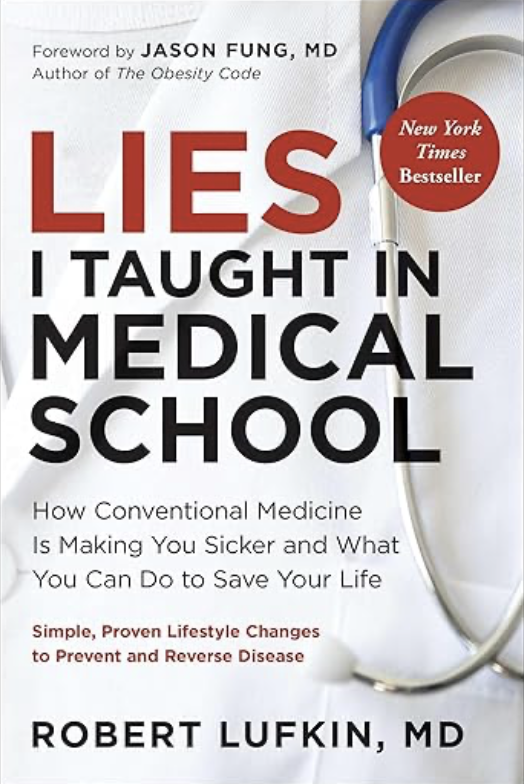
One of the main speakers was Dr. Robert Lufkin. He wrote this book on the left, “Lies I Taught In Medical School.” I found him pleasant and endearing with his mannerisms. And I found him to be one that loves his topic and loves his audience. Yes, the “lies” are really new learnings. New nuances. But also some pretty big aha’s that refine the understanding of the day then, and of the day now.
Well, I love making the association from one fiend of seemingly unrelated learning, to my field of practice that is hosting conversations and learning. So, here goes. I’ll list Lufkin’s six truths that he told stories about on Saturday (they are the gold that lives near the lies). Then I’ll extrapolate a wee bit.
Robert Lufkin
- I was not alone.
- Disease doesn’t begin when you are diagnosed by a doctor.
- Standard drugs and surgery don’t work.
- It wasn’t four diseases; it was one.
- Lifestyle works.
- Age increases vulnerability.
Fun list, right. I particularly appreciated that Dr. Lufkin wove his own personal story of health into what are more universal learnings.
Some extrapolating. And with particular eye for the “meaning of life” questions that I engage in my work, and that so many of us are actively engaged in (or wishing so).
- The myth of being alone is one of the most pervasive. We humans so often thing that we are in a personal isolation. Society so often promises connection but renders only the most superficial of connections. I’ve learned often that the seemingly personal is so often the most universal. True for disease. True for people asking questions about belonging and becoming also. We feel a strangeness often. A fear that it’s “just us” that wants to explore the mystery of things. It’s turns out to be quite widely shared.
- Yah, things have history. Naming is important (like when a series of conditions gets spoken out loud and the not-knowing is relieved by knowing. But most life conditions arise out of patterns of living — sometimes over days and weeks; sometimes over years and decades. In my field, I like to lift the Zen saying, “Everything is connected. Everything changes. Pay attention.” It’s big time skill to become more conscious of these patterns we have, physical and emotional, and that have time line to them.
- This is one of the most truth-telling aspects for Lufkin. He’s a Doc. And a professor. And from a tradition that makes enormous efforts to standardize care. Well, that’a messy thing. Big Pharma. Medical Board aversion to new approaches. And a time of human living / scientific tradition that so deliberately obligates to cause and effect reductions. Life is more complex and complicated though, isn’t it. And sometimes, we become quite obligated to narrowed and convenient approaches that don’t actually work.
- I loved Dr. Lufkin’s naming of his own circumstance — “it wasn’t four diseases; it was one.” This again is appreciation for nuance, yes. But for the ways that those nuances move in relationship with one another. In my work, I often name it as “Relational Leadership.” It means offering process that invite more curiosity, not less, about how things are connected. And about the wisdom that might just now be ready to guide us.
- Lifestyle does work. It’s pertinent for the point above also. Diet matters. Exercise matters. Sleep matters. Disposition matters. Habits matter. Courage matters. There’s some really impressive people in this conference who are “practice what they preach” people. And, quite encouragingly, people that support finding your start point (or your series of start points) to begin developing optimal health now. There’s a line from this conference that I find inspiring — normal isn’t optimal. Yes, there is practice and lifestyle in this. And yes, there is paradigm shifting invitation to integrate.
- It’s truth-telling again — “aging makes your vulnerable.” Sixty-five year old knees generally aren’t 25 year-old knees. Lufkin is inviting realness. Not denial. But not hope-less pessimistic surrender either. He’s doing what I relate to in so many of my groups — inviting (even insisting) a realness about circumstance. So that we can find the most creative and live-giving insights available.
Well, there you have it. Dana and I will likely weave our conversations over the next week back to San Diego learning. Back to what the speakers shared. Back to the insights that take a few days to cook before they show up most fully.
What a treat to be in learning, wherever we go.


