Find Your Balance — Or Not

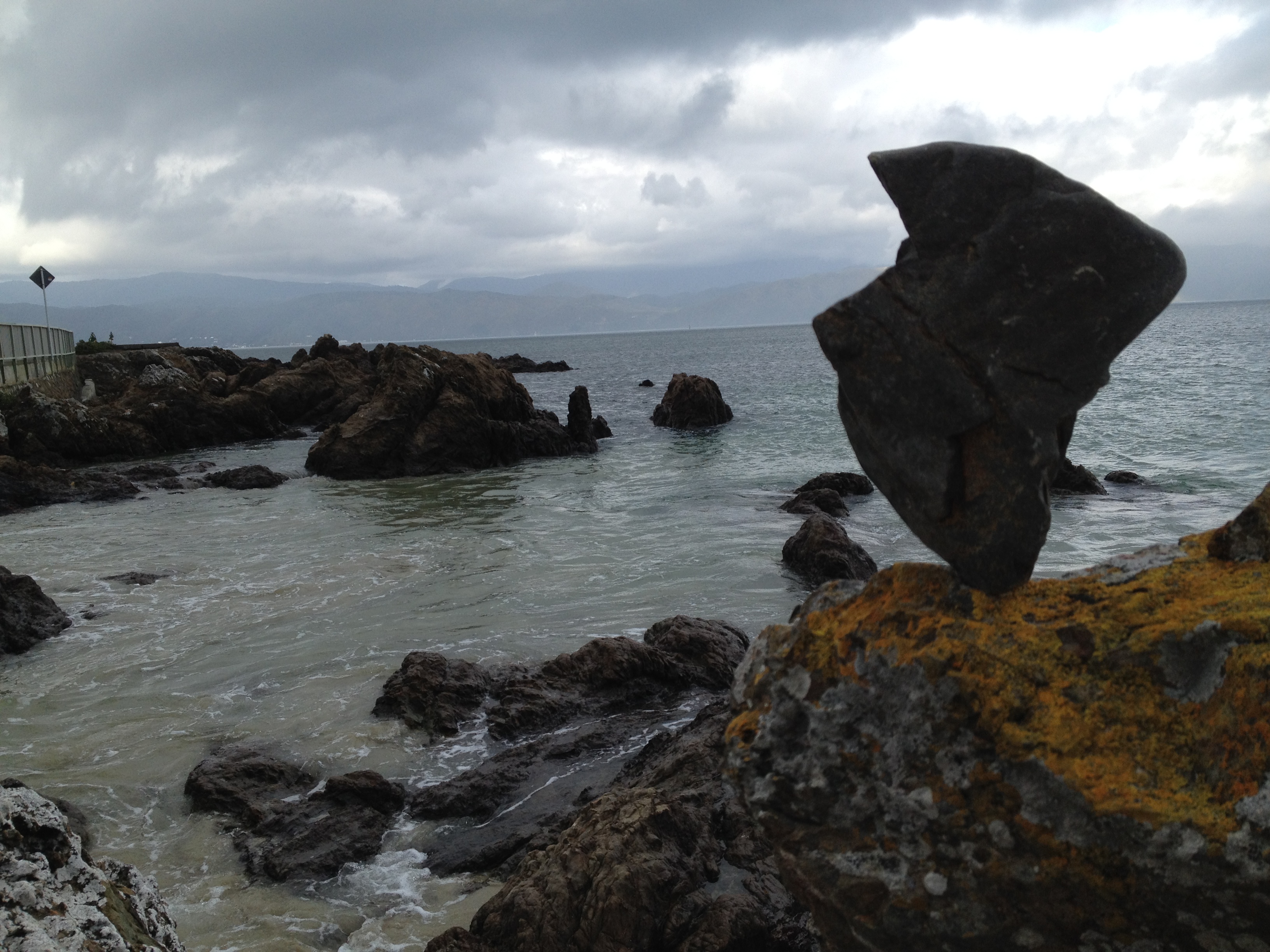
IMG_3947I suppose this is a good followup to yesterday’s picture of balanced stones. This is a larger stone I balanced this week, maybe 12 inches tall on an outcropping of rocks at Scorching Bay, looking into the Wellington Harbour.

It’s great to balance these rocks. Perhaps because to balance the outer requires a balance on the inner. I enjoy this as a kind of practice. Artful, and centering.

And, then again, balance can be a bit over-rated also. Perhaps over-used. Over-valued. Balance often shows up as an invocation to restore right relations between work and life. Good. Without being too cute about it, it is the out of balance that is often the edges that are most fruitful for many of us. Not necessarily in the moment. But with the help of some friends, or even, dare I say, alone, that our personages evolve. We grow. We learn not to fear. We learn to adapt a perspective of continually sensing and reorienting.

Regardless, it is good to keep it open, eh. Not to fixed in any one place. I find this to be true.
 

Work With What is In Front of You

Balanced StonesIt was Chris Corrigan that first got me into balancing stones. Probably seven years ago. Finding ways for the seemingly tiniest point of a stone to balance in the most unsuspecting of places. What was most fun about it was the gleam in Chris’ eye. He was having fun. He was creating art. He was offering art.

I’ve been doing a lot of balancing stones since then. The neighbor kids sometimes ask if I’ll do more in the front parking lot. My kids expect me to do it whether on a beach or on a hike. Like, Chris, I too, love the art.

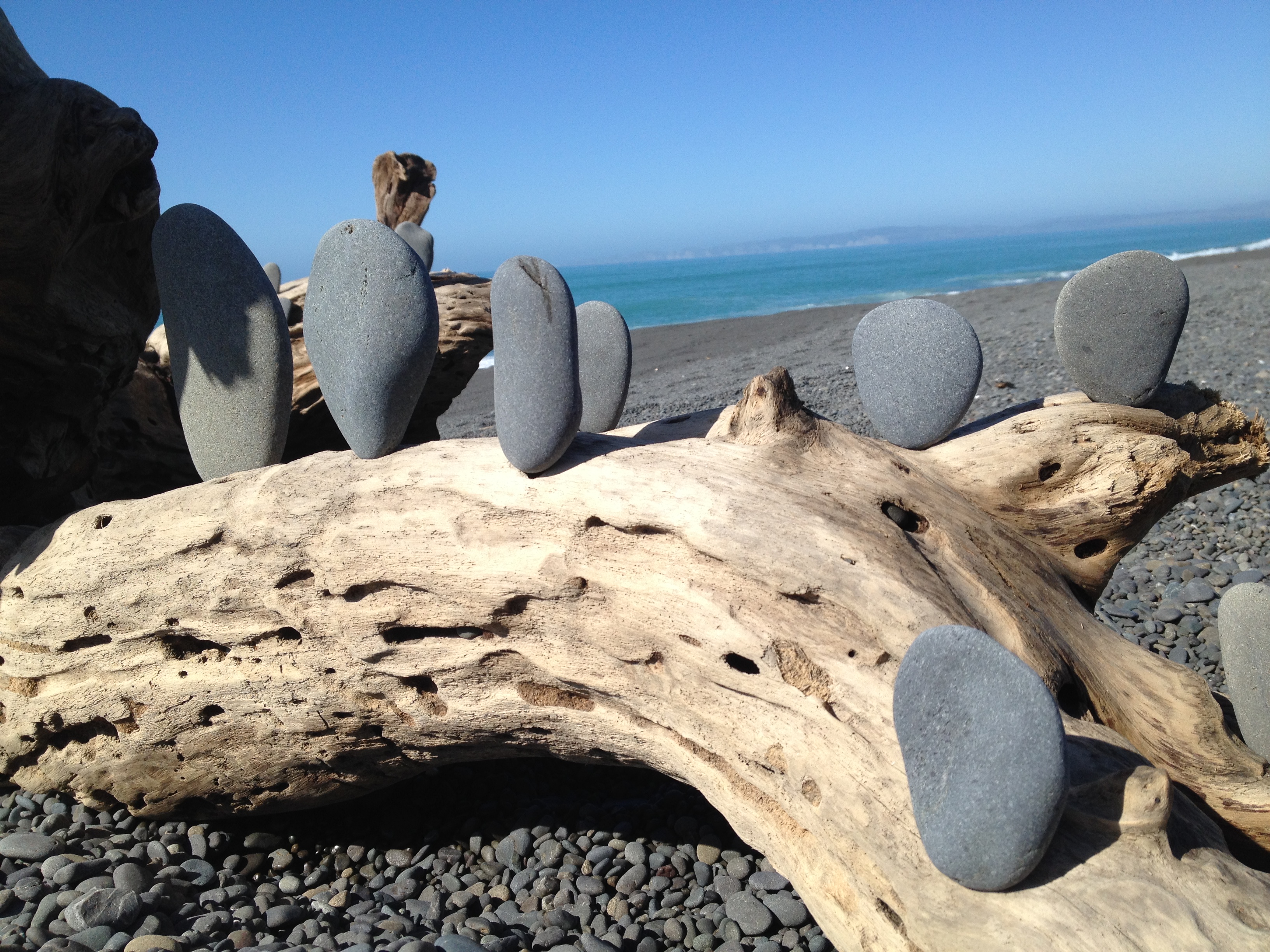
This particular pictures is from a beach in Napier, on New Zealand’s east coast. It was a sunny day, earlier this week. My son and I had 45 minutes on this beach, waiting for an appointment. It’s a bit hard to tell the scale of this. Most of the stones were 5-8 inches tall. I mixed in a few shells and driftwood. That’s the Pacific in the background. Glorious and beautiful white crested turquoise waves.

I suppose if I wanted to extract principle, one that would be important to me is using what is in front of me. This was not a difficult collection of stones to find. They were everywhere. The log was placed there and, who knows, might be removed by the coming tide. That points to a second principle. Be willing to let it go. I must admit that I hoped it would remain for a long time, but I don’t really know that. Maybe it brought a momentary appreciation from a passer by — “well, look at that!”

The gleam, whether from the observer or the creator, makes the moment.


Koru & Kapiti

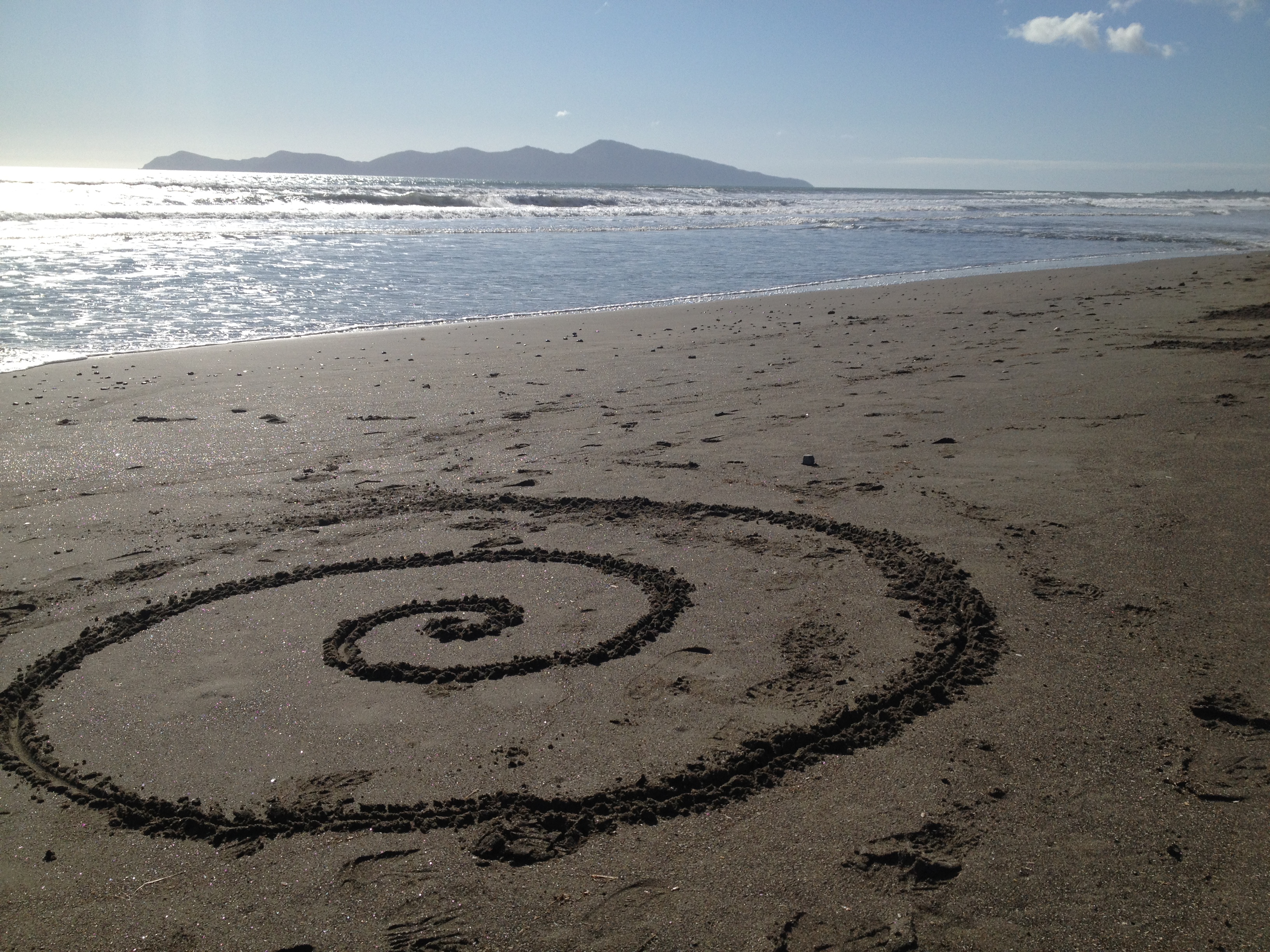
Kapiti Spiral

Given that I am in the last few days of a trip to New Zealand, I have the feeling that many of my next posts will have something to do with this land and this trip. Sense-making may take a while. My 18 year-old son and I have been on a Dad / Son trip, which has been utter privilege. Friend and colleague Glen Lauder has been our wonderful host.

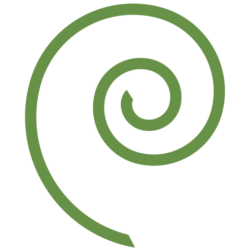
This photo includes Kapiti Island as seen from a beach in Paekakariki, about an hour north of Wellington. The body of water is the Tasman Sea. I drew the spiral, the koru in Maori, because I like the shape. It symbolizes among other things, new life with attention to both the center and the unfolding. And for this day, some simple fun with my son Isaac.

Kapiti is a kind of preserve of NZ’s habitat, which we have seen many of during this trip. I appreciate the noticeable commitment and care in this island country to quality of life, including its preserves.

This Dad / Son journey punctuates a shift from my son’s youth to his adulthood. It’s not so clean, of course. But it is a deliberate trip that also has unfolding and center. For him, and for me.


Gems in Short

These are phrases I’ve heard this week at the PeerSpirit Circle Practicum.

  • On emergence and patience,
    “We are stirring a pot together. We just don’t completely know what the soup is.”
  • On shadow as healing,
    “Protect the truth-tellers and help pull the shadow off of them.”
  • On depth,
    “In calibrating to a circle, there is fear and longing.”
  • On changing form, yet holding to circle,
    “Just because you shift the rim, doesn’t mean it is gone.”
  • On elephants in the room,
    “It’s amazing how many elephants shrink in the process of ceremony.”

Some weeks are meant for good learning. Perhaps all are. It’s just that in some weeks, they are just a bit easier to see.

Gifts of Circle - Question Cardsasd
Gifts of Circle is 30 short essays divided into 4 sections: 1) Circle's Bigger Purpose, 2) Circle's Practice, 3) Circle's First Requirements, and 4) Circle's Possibility for Men. From the Introduction: "Circle is what I turn to in the most comprehensive stories I know -- the stories of human beings trying to be kind and aware together, trying to make a difference in varied causes for which we need to go well together. Circle is also what I turn to in the most immediate needs that live right in front of me and in front of most of us -- sharing dreams and difficulties, exploring conflicts and coherences. Circle is what I turn to. Circle is what turns us to each other."

Question Cards is an accompanying tool to Gifts of Circle. Each card (34) offers a quote from the corresponding chapter in the book, followed by sample questions to grow your Circle hosting skills and to create connection, courage, and compassionate action among groups you host in Circle.

This will close in 60 seconds

asd
In My Nature
is a collection of 10 poems. From A Note of Beginning: "This collection of poems arises from the many conversations I've been having about nature. Nature as guide. Nature as wild. Nature as organized. I remain a human being that so appreciates a curious nature in people. That so appreciates questions that pick fruit from inner being, that gather insights and intuitions to a basket, and then brings the to table to be enjoyed and shared over the next week."

This set of Note Cards (8 cards + envelopes)  quotes a few favorite passages from poems in In My Nature. I offer them as inspiration. And leave room for you to write personal notes.

This will close in 60 seconds

asd
Most Mornings is a collection of 37 poems. I loved writing them. From the introduction: "This collection of poems comes from some of my sense-making that so often happens in the morning, nurtured by overnight sleep. The poems sample practices. They sample learnings. They sample insights and discoveries. They sample dilemmas and concerns."

This set of Note Cards (8 cards + envelopes)  quotes a few favorite passages from poems in Most Mornings. I offer them as inspiration. And leave room for you to write personal notes.

This will close in 60 seconds